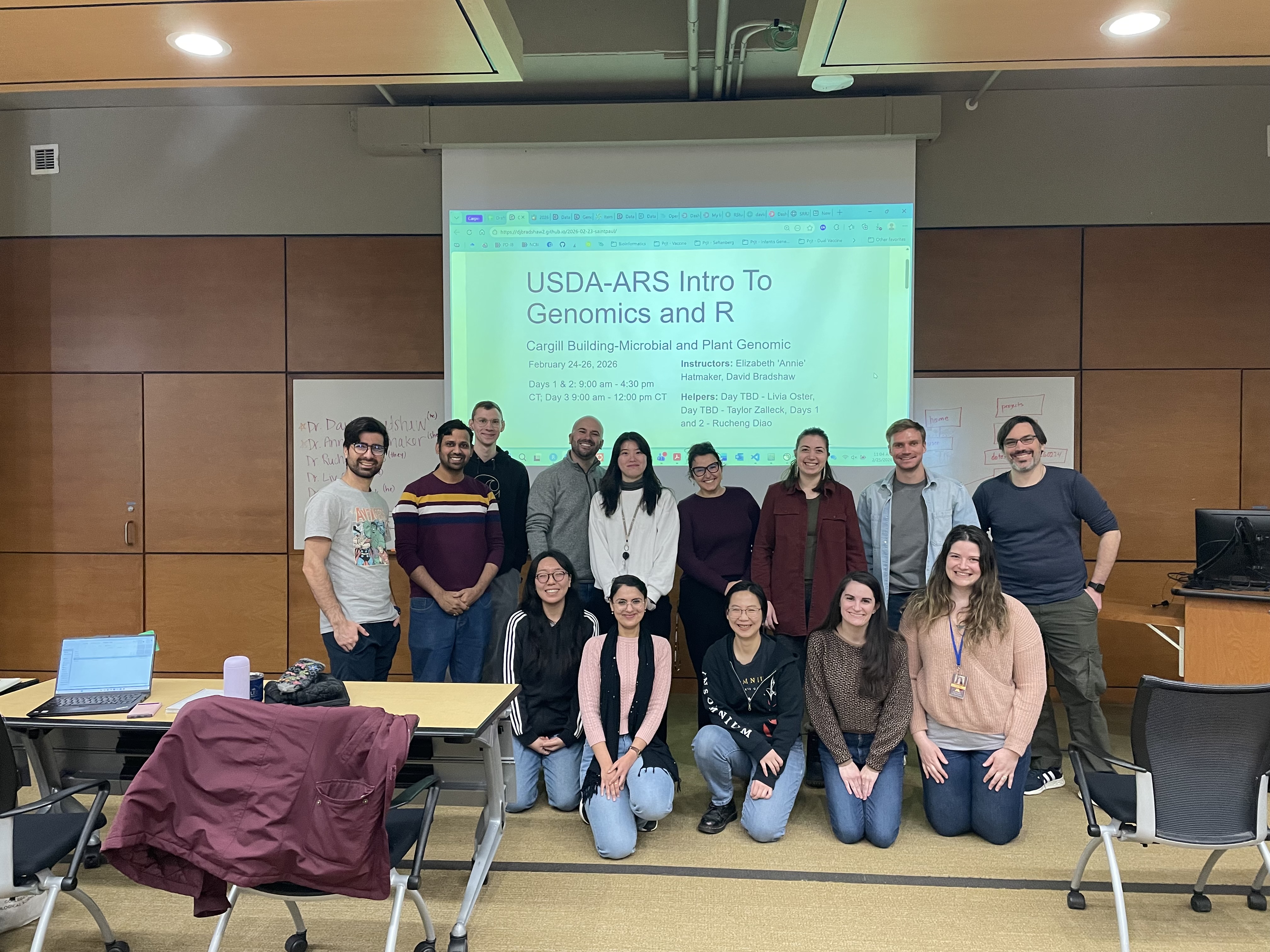
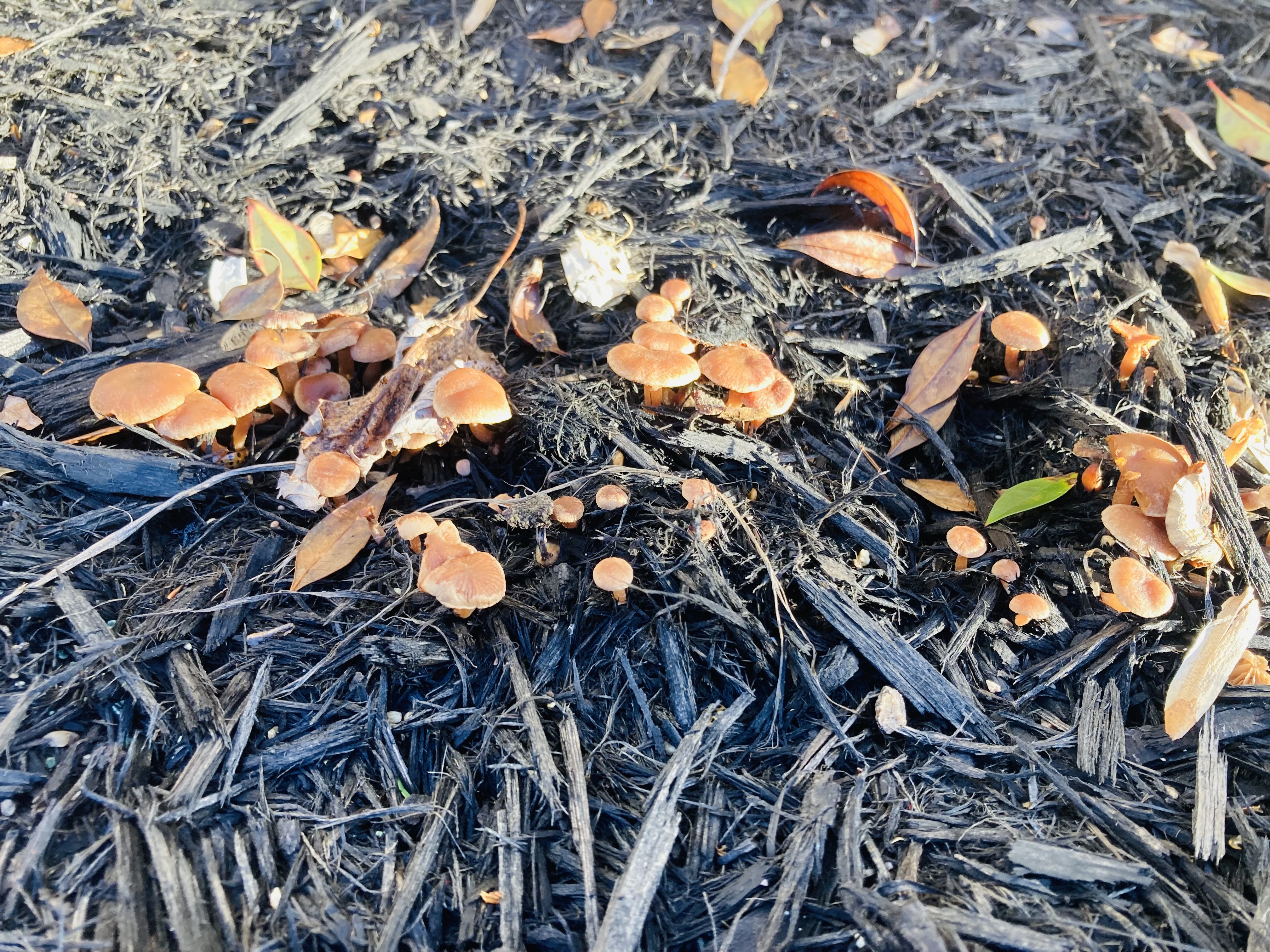
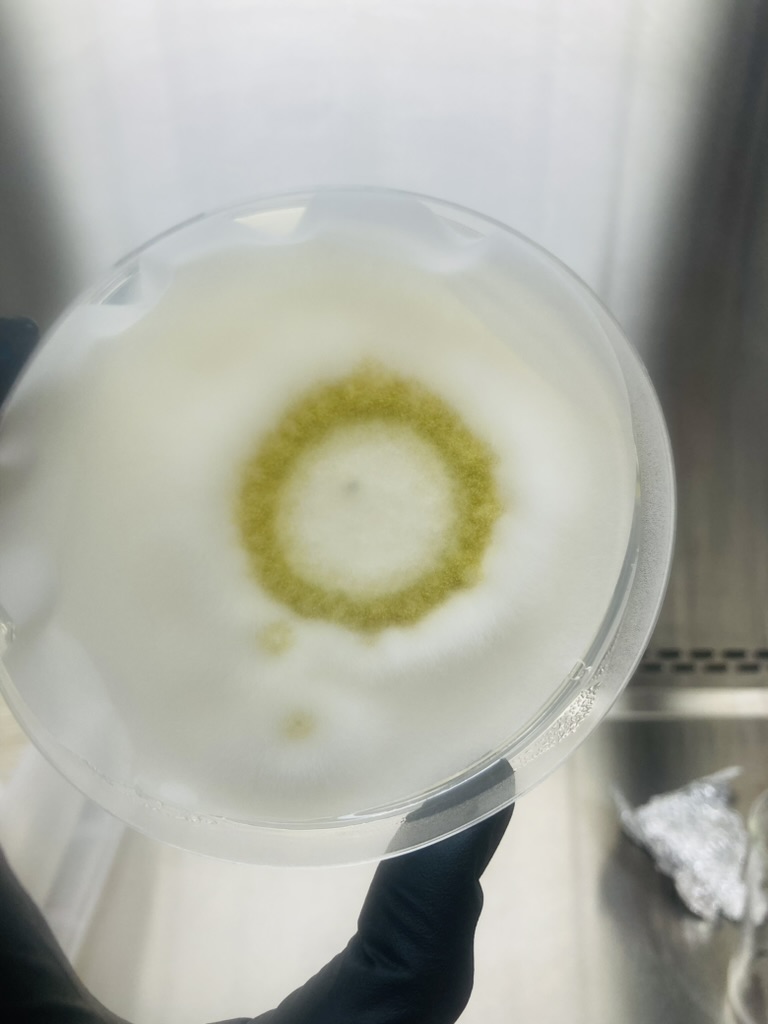
The Hatmaker lab will be opening in August 2026 at the University of Georgia! Stay tuned for more information!
33rd Fungal Genetics Conference, Pacific Grove, CA
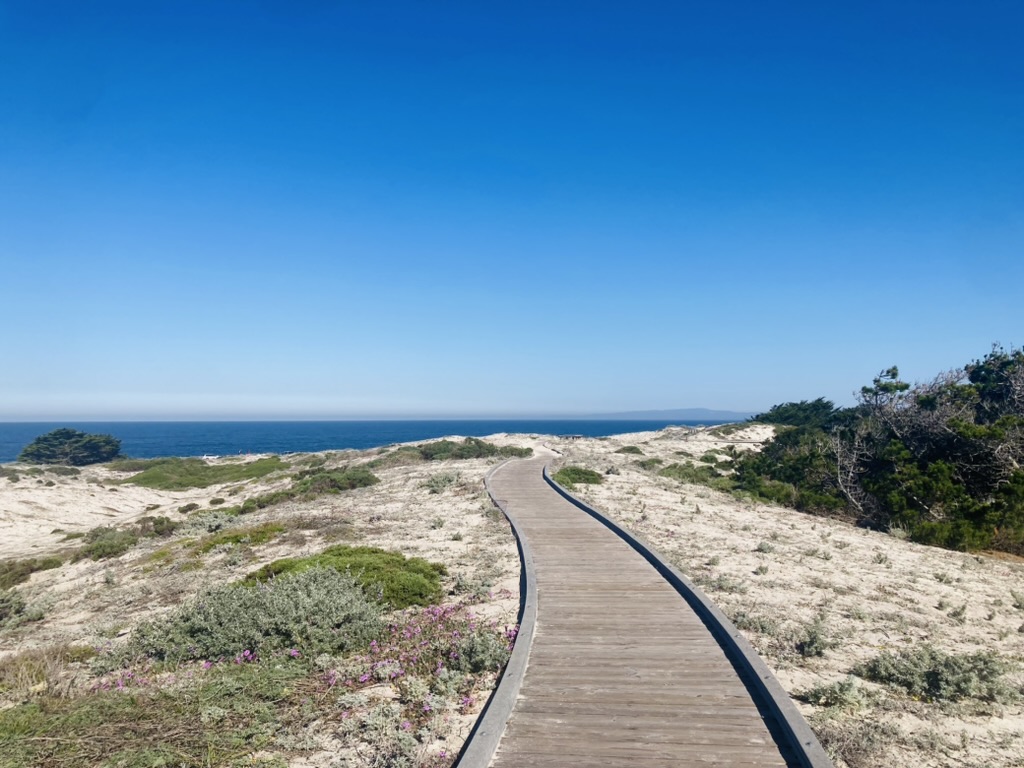
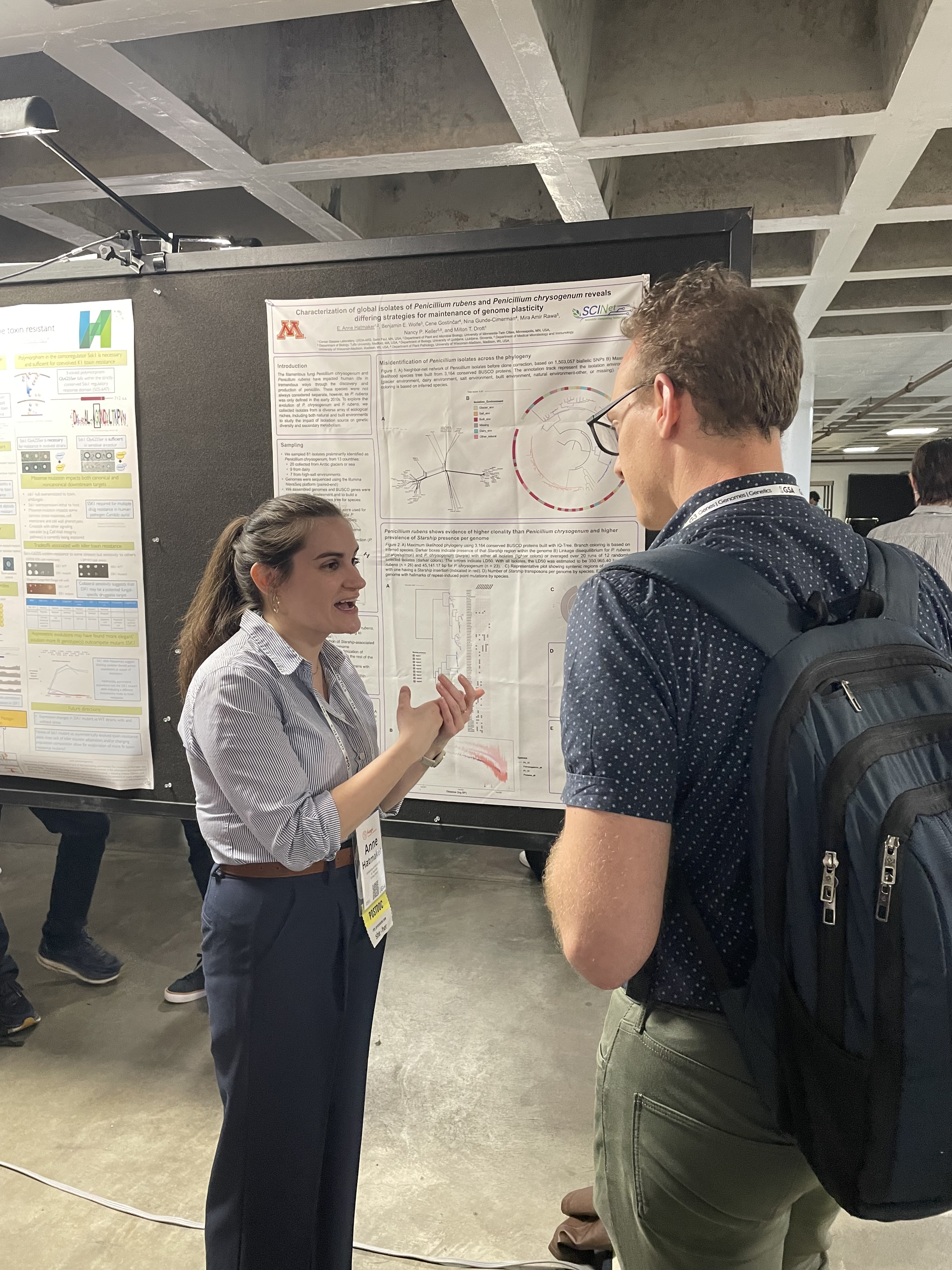
In March 2026, I attended the Genetics Society of America’s Fungal Genetics Conference. This conference occurs every other year, and I look forward to it for months beforehand. My abstract was selected for a talk at the Fusarium Workshop, and I received additional feedback on my Penicillium research later in the conference. It’s truly an amazing experience to connect with fellow scientists and catch up with colleagues who have become friends, all in a beautiful place!
My tenure as a USDA National Institute for Food and Agriculture Postdoctoral Fellow begins!
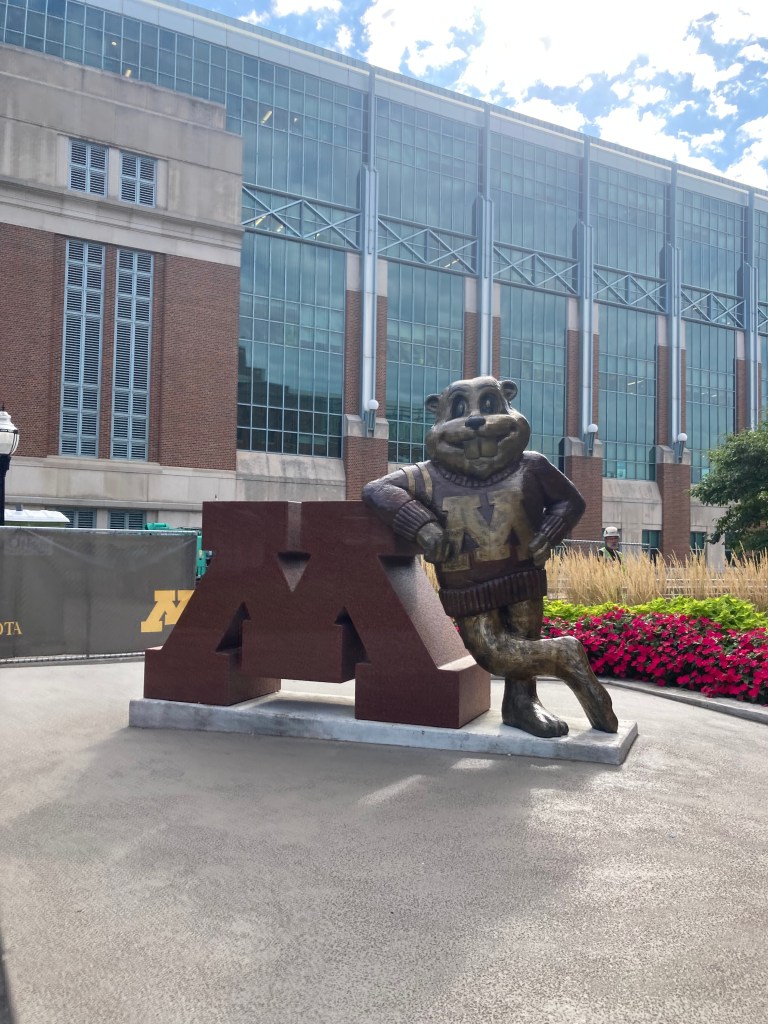
In September 2025, I began working as a USDA NIFA Postdoctoral Fellow in the Department of Plant and Microbial Biology at the University of Minnesota. The fellowship has a two year term and provides $225,000 to support my research into the role of transposable elements in host-specificity of Fusarium species causing Fusarium head blight disease of wheat and barley. The award provides funding for my salary, research expenses, publication charges, and travel costs to present at conferences. I am exceptionally grateful to the peer-review panel and the USDA for seeing the value in my research and awarding me the fellowship. I look forward to posting further updates as this work continues!
The final chapter of my dissertation is published!
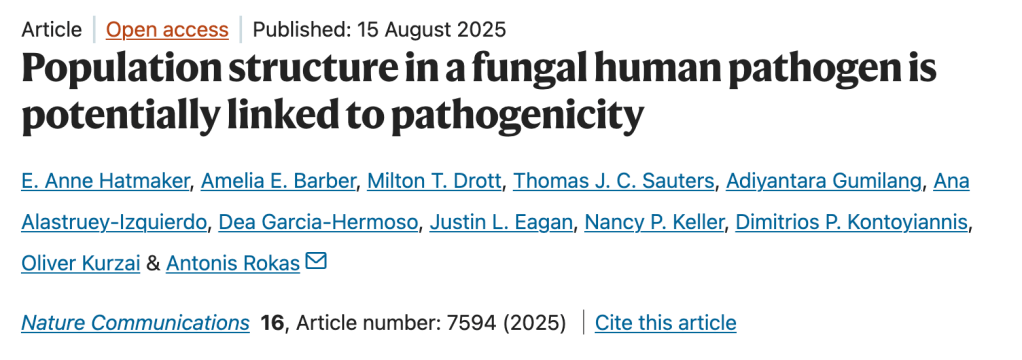
The final chapter of my dissertation has been published in Nature Communications! We looked at 300 isolates of Aspergillus flavus to determine how clinical (human-associated) and environmental (soil or plant-associated) isolates were related, and whether they differed in genetic content. Spoiler alert: they did differ in genetic content! We were surprised and excited by this result, as all A. flavus infections are acquired from the environment, not through person-to-person transmission like some other pathogens. There’s still plenty of work to do to untangle the evolution of pathogenicity in this species, and I’m looking forward to continuing this work!
You can read the open access paper, titled “Population structure in a fungal human pathogen is potentially linked to pathogenicity,” here or find it on my Google Scholar page. For more information on the paper, check out the press release from Vanderbilt University’s Evolutionary Studies.
ISEMPH 2025, Nashville, TN
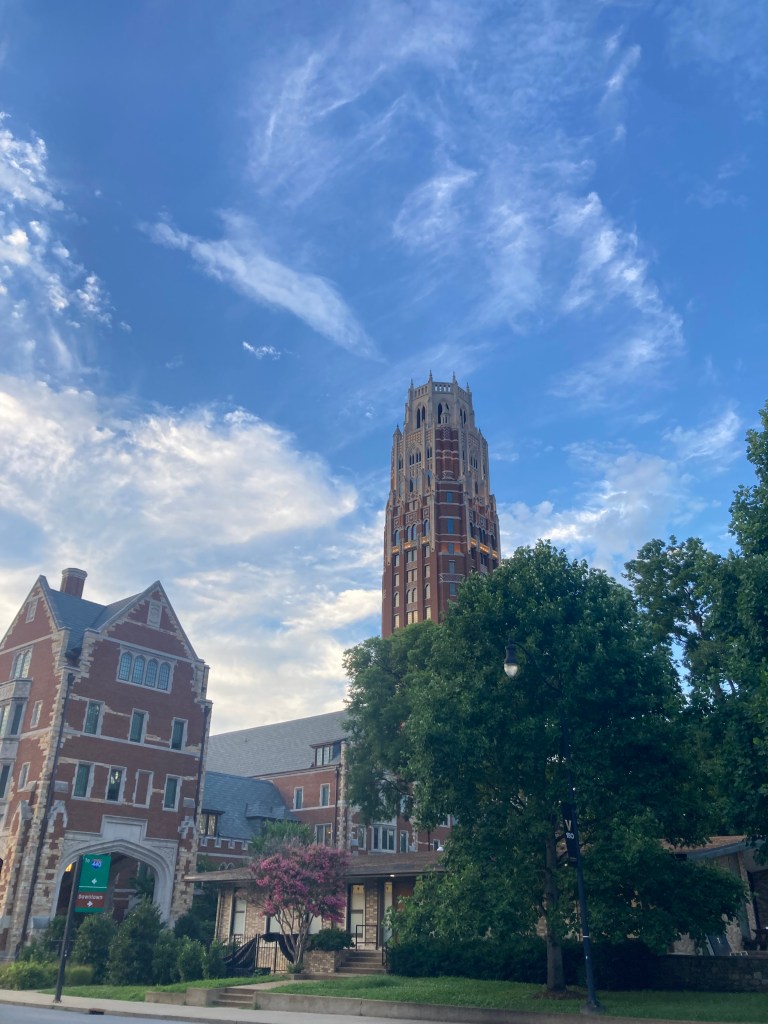
In July 2025, I attended the 10th Annual Meeting of the International Society for Evolutionary Medicine and Public Health, right in my own backyard at Vanderbilt University. My abstract focusing on my dissertation work on the human pathogen Aspergillus flavus was accepted for a podium presentation in the “Pathogen Populations” session. I enjoyed learning more about evolutionary medicine and how evolutionary principles are being used to better understand complicated, medically relevant processes like drug resistance and cancer growth.
2025 MSA Annual Meeting, Madison, WI
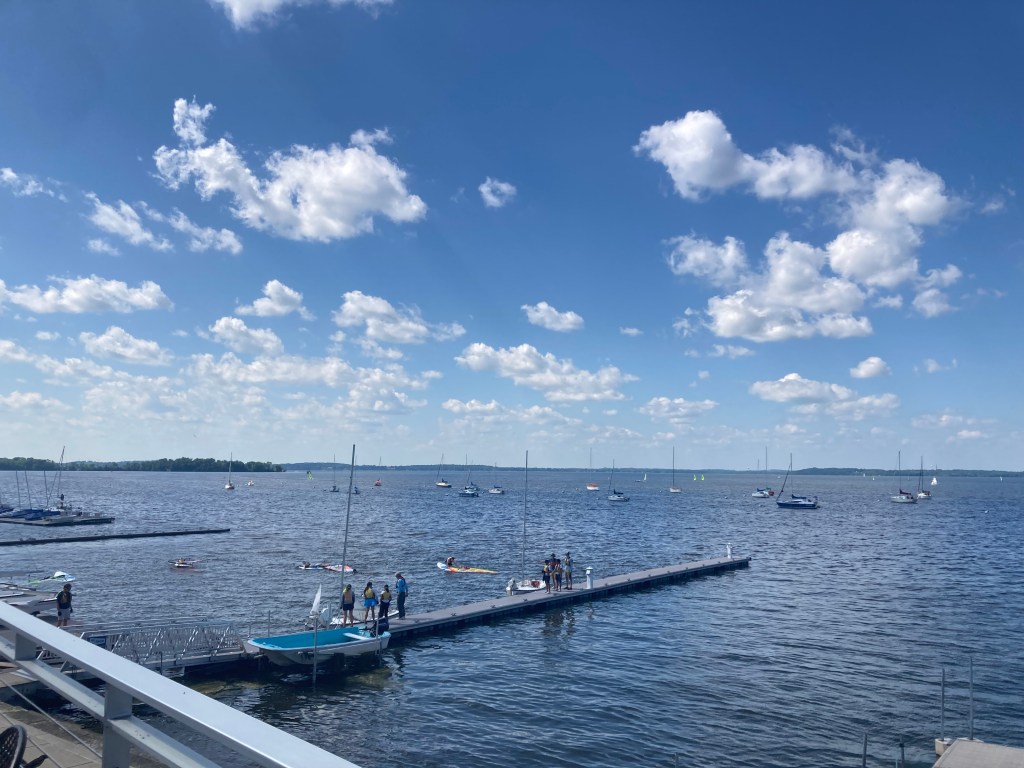
In June of 2025, I attended the Mycological Society of America’s annual meeting, hosted at the University of Wisconsin–Madison. I was thrilled to be invited to give a symposium talk titled “Ecological and evolutionary dynamics associated with mycotoxin variation in a pathogenic fungus,” which focused on my dissertation research on Aspergillus flavus. I was also excited to be selected to present a concurrent session talk highlighting my research on Penicillium. It was my first time attending MSA, and I really enjoyed the science and the beautiful scenery. The full program is available here.
32nd Fungal Genetics, Pacific Grove, CA
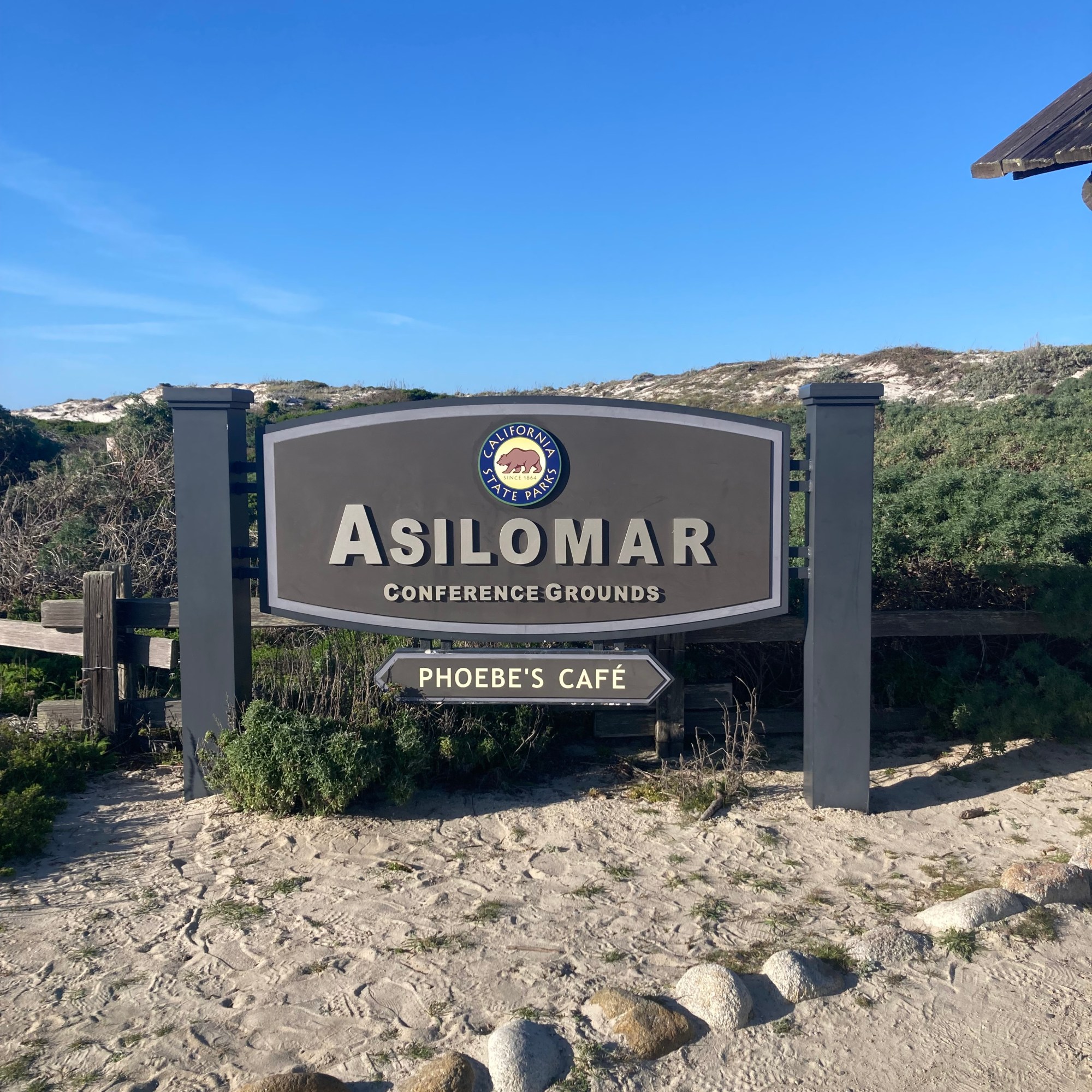
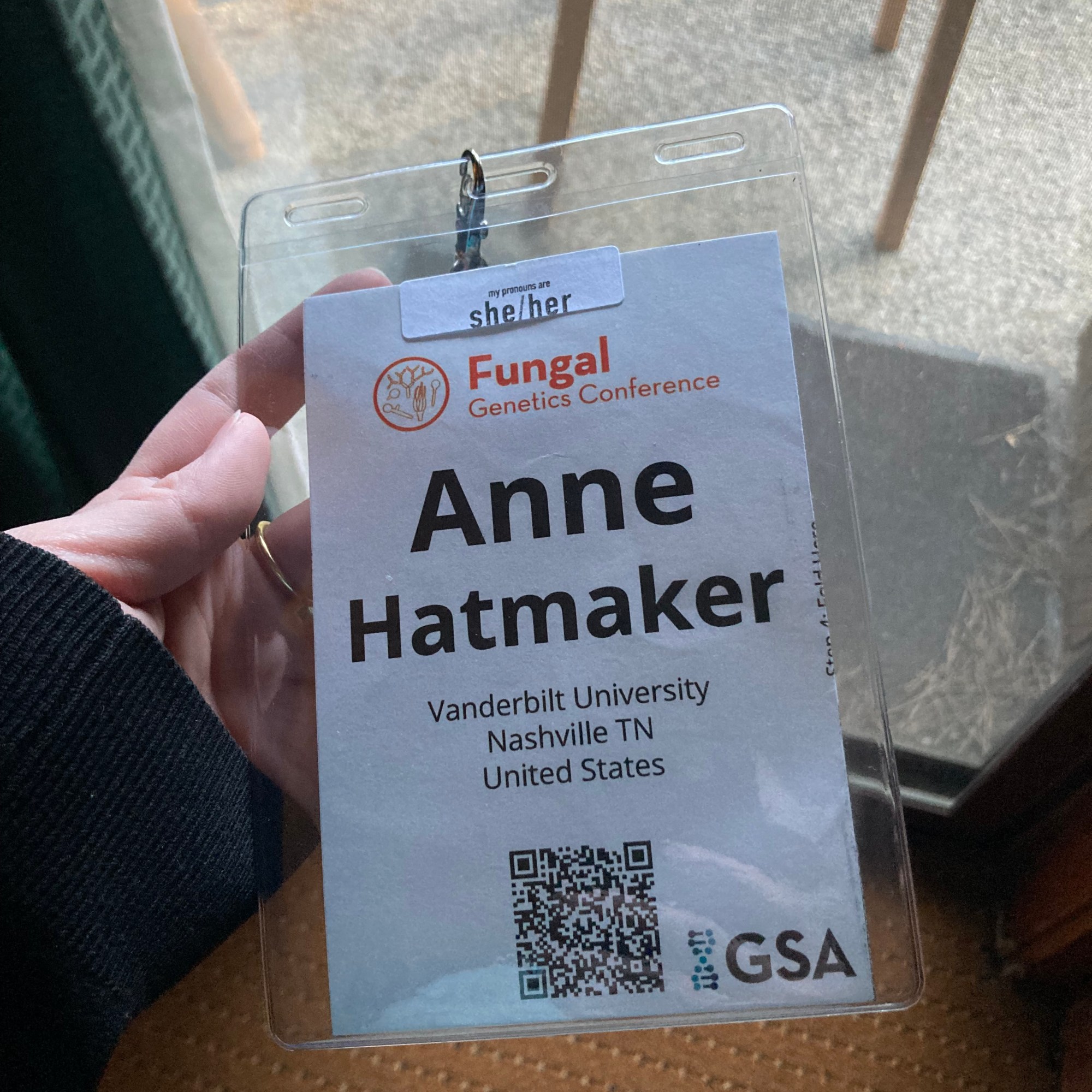
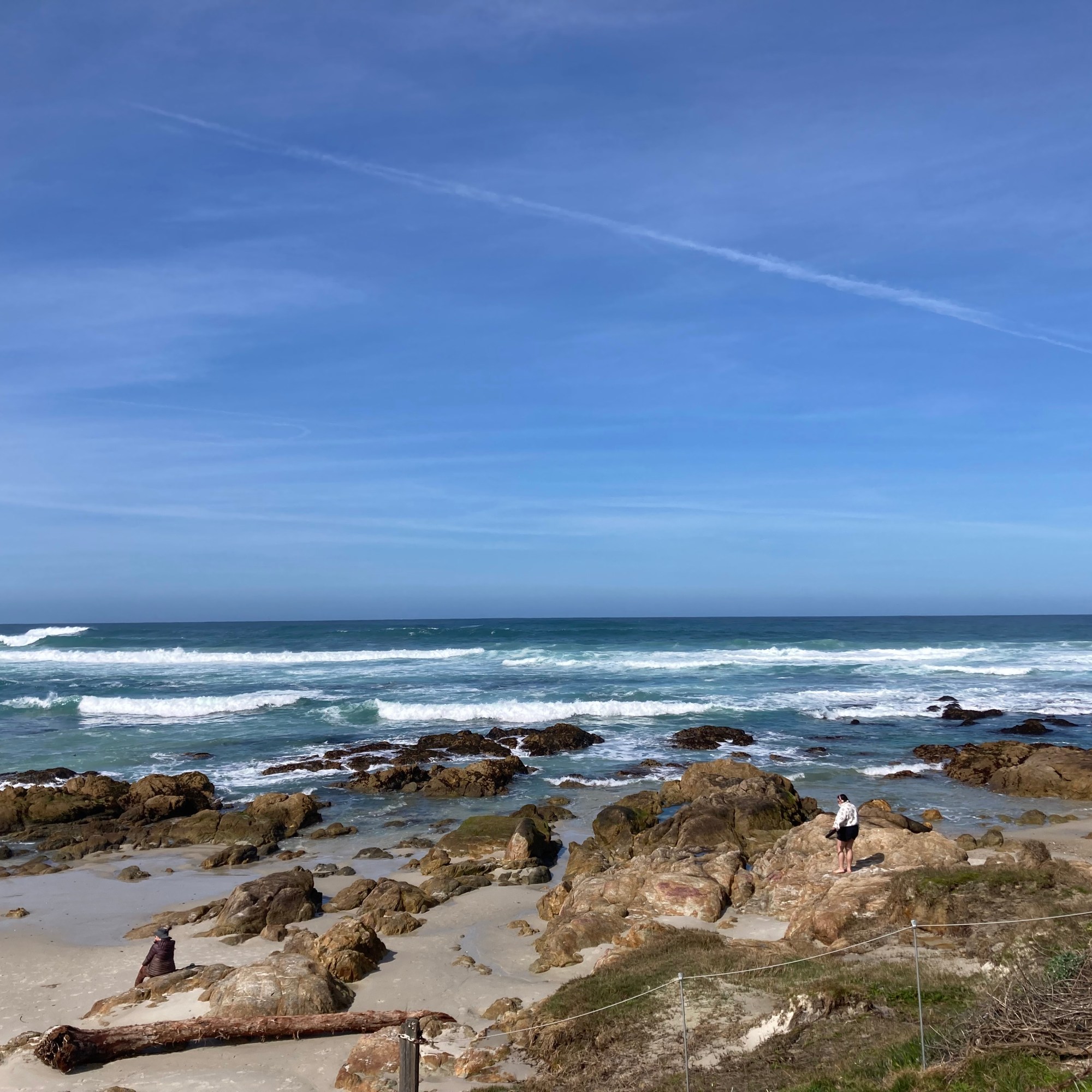
In March of 2024, I attended the Genetics Society of America’s 32nd Fungal Genetics conference. My abstract was chosen for a talk in the session “Understanding fungal pathogenesis by genomics,” which was a wonderful experience. The organizers (Drs. Daniel Croll and Aleeza Gerstein) put together a fantastic line-up of research talks–I was honored to be included. The entire conference was both educational and enormously fun. I so look forward to attending Fungal Genetics every other year! Program information is available here.
Graduate School Commencement at Vanderbilt University
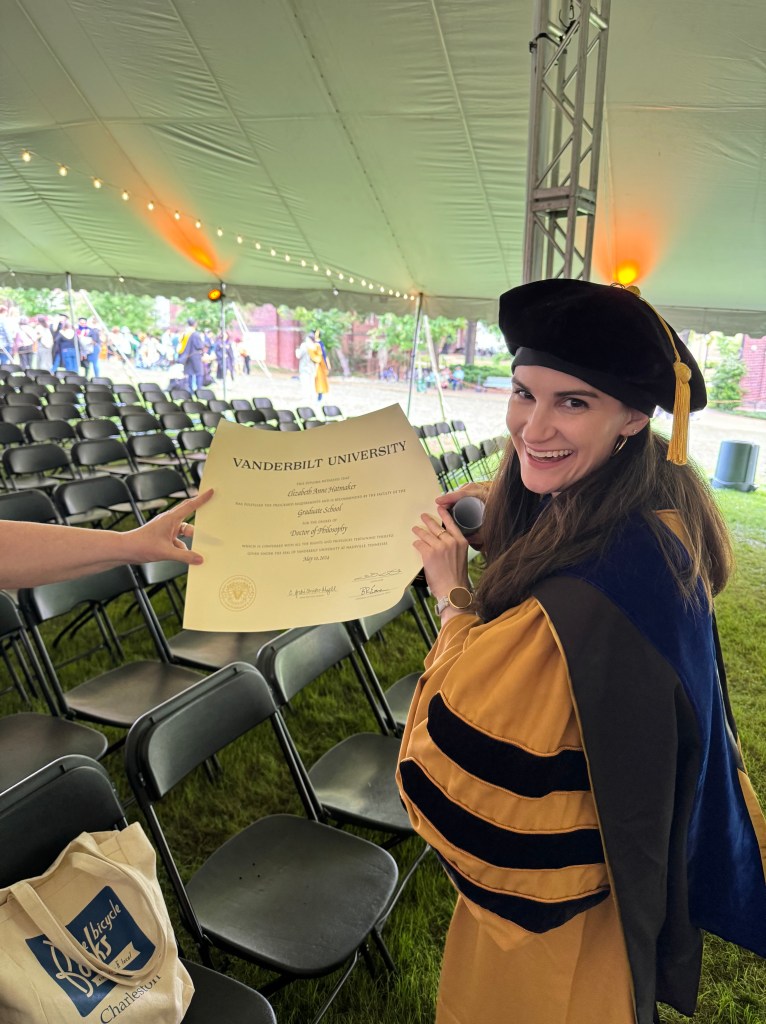
In May of 2024, I officially completed my Ph.D. from Vanderbilt University. I thoroughly enjoyed my experience as a member of the Rokas lab and the broader Vanderbilt community. I particularly appreciate all the opportunities provided through the Evolutionary Studies Initiative and the BRET (Biomedical Research Education and Training) Office, which have both provided valuable resources for my professional development. I am also grateful to the NIH’s National Eye Institute for partially funding my dissertation research through the Ruth L. Kirschstein Predoctoral Individual National Research Service Award (F31 mechanism).
After earning my Ph.D., I began working with the USDA-ARS as a participant in the SCINet Postdoctoral Fellowship program, facilitated by the Oak Ridge Institute for Research and Education (ORISE).

